
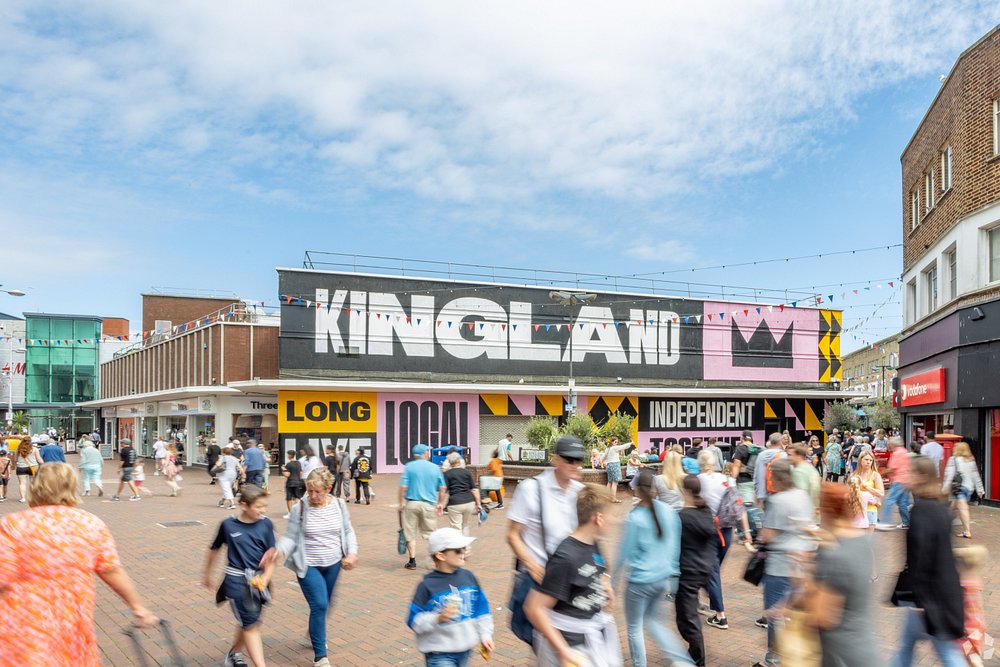

A quiet Tuesday can be expensive. The premises are open, the team is ready and there is capacity you cannot save for Saturday.
Quiet-day promotions give customers a reason to visit during a specific period. The best starting point is a genuine gap in demand and an offer that still makes sense after the costs are counted.
This guide shows independent cafés, shops, salons and studios how to plan a small off-peak promotion, communicate it clearly and decide whether it created worthwhile extra business.
Look at comparable weeks and break the day into useful trading periods. A business can have a healthy daily total while one afternoon remains consistently empty.
For bookings, compare completed appointments with the slots you could actually staff and sell. For a café or shop, look at transactions, sales and staffing by period. Note unusual weather, holidays, closures and nearby events.
Choose a gap you can describe precisely: Tuesday from 2pm to 4pm, the first Wednesday class or a recurring appointment slot. Check that you have the stock, people and space to serve additional demand comfortably.
Also ask why the gap exists. If the offer does not suit local demand at that time, a stronger incentive may not solve it. You may need different opening hours, a different service or clearer information.
Extra loyalty points
Extra points can reward customers for choosing the quieter window while keeping the usual selling price. The future reward still has a cost, so include it in your budget.
Town's Booster Days let businesses offer additional points on selected days or periods. You control the offer and can adjust it as your trading pattern changes.
A useful bundle
A bundle can make the purchase easier to choose. Think about items customers naturally want together and check the margin on the whole offer. A bundle that quietly includes something expensive to deliver may cost more than it appears.
An experience or access benefit
A bookshop might run a small weekday discussion. A retailer might offer a short product demonstration. A studio could introduce a beginners' session at a quieter time.
Price and plan the activity properly. Preparation, staff time and materials count, even when the main appeal is the experience rather than a discount.
Check the economics of the promotion
Estimate the additional sales you need, the costs of serving them and the value of any rewards you issue. Include people who would have visited anyway but will now receive the incentive.
Here is an illustrative test using amounts on a consistent tax basis:
Eight extra visits generate an average of £15 each, adding £120 in sales.
Directly attributable variable costs are £5 per extra visit, totalling £40.
Expected fulfilment cost of promotional rewards across all eligible visits is £15.
Extra staffing and promotion costs total £20.
The estimated contribution from the test is £120 minus £40, £15 and £20, leaving £45 towards existing fixed overheads and profit. This assumes the eight visits are additional and all relevant extra costs are included.
If some customers simply moved a full-price visit from Thursday to Tuesday, the benefit is smaller. Review the whole week as well as the promoted window. Do not count the same reward cost twice if it is already included elsewhere in your calculation.
State the dates, time window, qualifying purchases and how to claim. Explain whether the offer combines with other promotions and whether there are capacity or redemption limits.
Make the main restriction visible with the offer. A customer should not travel across town before finding out that their intended purchase is excluded.
For an extra-points example, the message could be: “Tuesday, 2pm to 4pm: earn double points on qualifying purchases. Show your Town Pass when you pay. Full details in our offer.” Add the real dates and qualifying rules before using it.
Brief staff before promoting the offer. Check that the settings, customer-facing wording and checkout process all agree.
Think about who is available in that window. Nearby workers, local residents and customers with flexible schedules may respond to different messages.
Use the channels those customers already see: an in-store sign, your local profile, a relevant social post or a message to an eligible customer audience. For promotional messages, respect communication permissions and provide the appropriate opt-out.
Give people time to plan. A workshop invitation may need several days' notice. A spare appointment can justify a shorter lead time. Avoid repeatedly announcing urgent offers to people who cannot realistically attend.
You could also work with a nearby independent on a useful local itinerary or event. Agree who does what and direct customers to each business's public information. Sharing a promotion does not require exchanging customer lists.
Choose a short run of comparable periods and record the offer consistently. Four Tuesdays can be a useful starting test, although small numbers may need a longer observation period.
Review completed visits, sales, reward costs and any extra operational work. Compare with suitable earlier periods and note other factors that could explain a change.
Ask whether the offer brought in new demand, shifted existing demand or simply rewarded purchases that would have happened anyway. Also check whether customers return later without the incentive.
Town's customer and reward insights can help you review the activity recorded through the platform. Combine that with your till, booking and staffing records for a fuller view. The core software is free; the rewards you choose remain a business cost.
Are double points cheaper than a discount?
Not automatically. The cost depends on the earning rate, redemption value, fulfilment cost and how many rewards are used. Compare the expected cost of each offer using your own figures.
What if the quiet period becomes busy?
Review capacity and whether the incentive still has a useful job. Honour the advertised terms and earned rewards, then change future promotions clearly. A successful test does not need to become a permanent offer.
For help building a repeatable scheme around your trading pattern, read our loyalty programme guide or book a free Town setup.
Publishing and image notes
Use a distinct original photograph for each article. Hero suggestions describe shots to source or capture; confirm the final scene before using the suggested alt text. For optional product images, capture the current interface with demonstration records.


